allisles.com
Saba
allisles.com
Saba

Saba: Complete Caribbean Travel Guide
Visa Free
Last updated:
Quick Facts
- Visa Required: No (visa-free for most nationalities)
- Currency: US Dollar (USD)
- Languages: Dutch, English
- Best Months: December through May
- Average Temperature: 27°C (81°F)
- Timezone: America/Kralendijk
- Nearest Airport: Juancho E. Yrausquin Airport (SAB)
About Saba Overview
Best forAll travelers seeking authentic Caribbean experiences
Saba is a small island in the Lesser Antilles, part of the Kingdom of the Netherlands. Located at coordinates 17.6333, -63.25, this island covers just 13 square kilometers. Only 1,900 people call Saba home. The island sits between St. Eustatius and Sint Maarten in the eastern Caribbean Sea.
This Saba overview reveals an island unlike typical Caribbean destinations. No cruise ships dock here. No resorts dominate the landscape. Instead, Saba offers genuine community connections and pristine natural beauty. Dutch and English speakers will have no trouble communicating with locals.
The island's most distinctive feature is Mount Scenery. This volcanic peak rises 870 meters above sea level. A steep staircase of 1,064 steps leads to the summit. Visitors reach the top and find 360-degree views of the ocean and nearby islands. Clear days reveal Sint Maarten, St. Eustatius, and even St. Kitts.
Saba developed one main road that spirals up the mountainside. This engineering marvel connects all settlements on the island. The road has no traffic lights. The speed limit never exceeds 40 kilometers per hour. Driving here feels more like a mountain adventure than typical island transportation.
Why Visit Saba
Best forAdventure seekersdiversand nature lovers
Saba attracts visitors who want to escape crowded tourist destinations. The island offers world-class scuba diving opportunities. The waters around Saba feature dramatic underwater pinnacles, reefs, and volcanic formations. Visibility often exceeds 30 meters on clear days. Divers encounter colorful tropical fish, sea turtles, and rays regularly.
Hiking enthusiasts find excellent trails throughout the island. Mount Scenery provides the most famous hike. The trail takes about 1.5 hours to complete. Other trails wind through lush rainforest and lead to hidden viewpoints. The island's volcanic soil supports dense vegetation year-round.
Saba welcomes visitors who value authentic local culture. You will meet residents who have lived here for generations. Traditional cuisine still dominates local food-restaurants. Fishing and agriculture remain important to the island's economy. Festival celebrations showcase Saba's Dutch and Caribbean heritage.
The island offers relative safety and cleanliness. Crime rates are extremely low. Streets are well-maintained. Locals treat visitors with genuine hospitality, not commercialized friendliness. Many first-time visitors plan to return within months of leaving.
PRO TIP: Book dive trips in advance. Saba has limited dive operators, and they fill up quickly during peak season. Contact Saba Marine Park before your trip to arrange permits and learn current diving conditions.
Saba for Families
Best forFamilies with children ages 8 and older
Saba offers unique family adventures in a safe, manageable environment. The island's small size means you can explore most areas in a day trip. Rental cars are available, but many families find walking or hiking more enjoyable.
Mount Scenery's hiking trail works well for families with older children. The 1,064 steps test endurance but reward climbers with incredible views. Start early in the morning to avoid midday heat. Bring plenty of water and snacks. Rest stops are available along the trail.
Pop's Place and local restaurants serve authentic Saban food. Kids enjoy fresh fish, goat stew, and coconut bread. Portions are generous. Prices remain reasonable compared to other Caribbean islands. Family-owned establishments dominate the dining scene.
Swimming happens at small beaches and natural pools. Ladder Bay offers shallow water suitable for young swimmers. The sand is dark volcanic sand, different from white-sand beaches elsewhere. Water temperature stays warm year-round at 27°C.
The island's quiet roads make exploration feel safe. Children can ride bikes without heavy traffic concerns. Locals watch out for young visitors. The tight-knit community values family values and children's safety.
PRO TIP: Pack snorkel gear to examine reef fish in shallow waters. Children enjoy spotting colorful parrotfish and sergeant major fish near rocky shores. Bring reef-safe sunscreen to protect both kids and marine ecosystems.
Saba for Couples
Best forRomantic getaways and adventure-focused couples
Saba delivers romance without the pretense of luxury resorts. Couples find intimacy in natural settings and genuine local interactions. The island's quiet atmosphere invites meaningful conversations and shared adventures.
Hiking Mount Scenery together creates memorable moments. The challenging trail tests your teamwork and determination. Reaching the summit offers a private celebration spot. Many couples share this experience as a highlight of their relationship.
Sunset diving trips provide romantic ocean experiences. Descending together into calm waters builds connection. Spotting sea turtles or rays creates shared wonder. The underwater silence encourages mindfulness and presence with your partner.
Evening strolls through settlements like The Bottom feel genuinely Caribbean. Streets light up simply. Stars shine brightly without light pollution. Local restaurants offer cozy dining with ocean views. Music and conversation flow naturally.
Couples can rent small guesthouses with private settings. Many accommodations feature outdoor spaces and stunning views. Breakfasts include fresh fruit and homemade bread. Hosts often share local recommendations and stories about island life.
Saba for Solo Travelers
Best forIndependent travelers and those seeking personal growth
Solo travelers thrive on Saba. The island's safety makes solo exploration comfortable. Locals engage warmly with visitors traveling alone. Small guesthouses create natural meeting opportunities with other guests.
Self-guided hiking works perfectly on Saba. You set your own pace on Mount Scenery. The trail is well-marked and heavily trafficked. Other hikers offer assistance if needed. Reaching the summit alone feels deeply personal and empowering.
Dive operators welcome solo divers. Group dives mean instant friendships with other adventurers. Many solo travelers book multiple dives during their stay. Shared diving experiences create lasting connections quickly.
The island's size allows solo travelers to move freely without feeling lost. Walking to different settlements takes an hour or less. You can explore at your own pace without group pressures. Cafes serve as gathering spots where solo travelers naturally connect.
Budget-friendly accommodations keep costs manageable. Guesthouses cost significantly less than Caribbean resorts. Local restaurants offer affordable meals. Activities like hiking cost nothing. Solo travelers can stretch vacation budgets considerably on Saba.
PRO TIP: Join a group hike organized by local guides. These walks introduce you to other visitors and locals simultaneously. Tours typically cost around thirty dollars and last two to three hours, offering excellent value and companionship.
Best Time To Visit Saba
Best forPlanning trips during optimal weather months
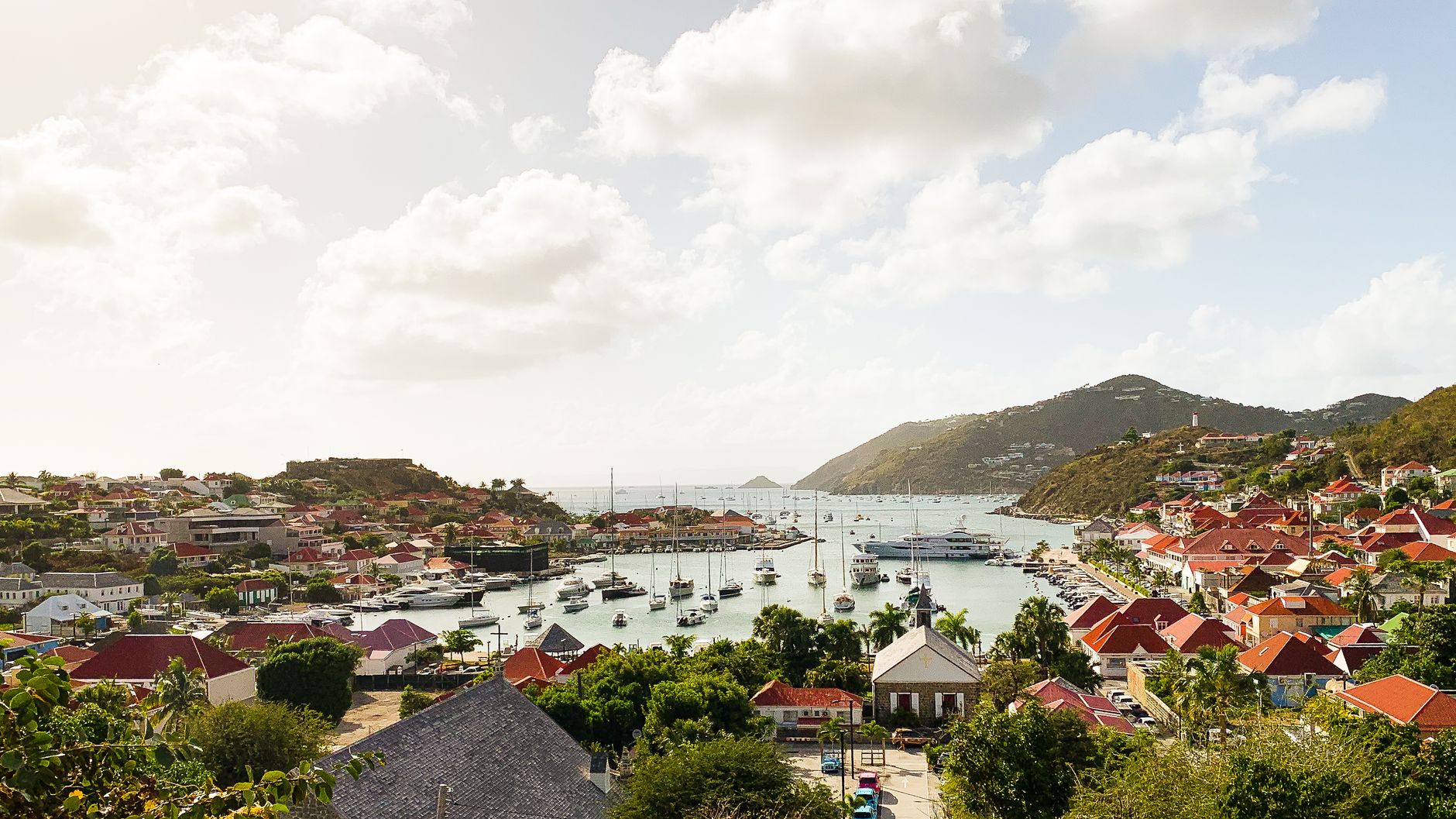
The best months to visit Saba are December through May. These months offer the most reliable weather. Temperatures remain steady at around 27°C. Humidity feels lower during these months compared to summer.
December and January attract the most visitors. Families travel during winter school breaks. Weather is cool and dry. Hotel rates are highest during these weeks. Book accommodations well in advance for December holidays.
February through April offer excellent conditions with fewer crowds. Spring weather brings pleasant temperatures and low rainfall. Hurricane season has not begun. Prices remain slightly lower than peak winter months.
May marks the transition toward summer conditions. Temperatures stay comfortable at 27°C. Occasional afternoon showers arrive. Fewer tourists mean more intimate experiences with the island. Dive conditions remain excellent.
June through November represents the rainy season and hurricane period. Heavy downpours occur frequently. Humidity increases substantially. Accommodation prices drop considerably. Most casual visitors avoid these months, though experienced travelers sometimes find deals.
Wind conditions affect diving primarily. Trade winds blow stronger November through March. Dive site selections vary based on wind direction. Professional dive operators know which sites work best each day. Summer months offer calmer seas for certain dive locations.
Getting To Saba
Best forPlanning your arrival to the island
Reaching Saba requires careful planning. Juancho E. Yrausquin Airport (SAB) serves the island. This airport has one of the world's shortest commercial runways at only 400 meters. Pilots must be specially trained to land here.
Winair (Windward Islands Airways) operates most flights to Saba. The airline flies from Sint Maarten to Saba daily. Flight time takes approximately 12 minutes. Flights operate in the early morning and afternoon. Book flights weeks in advance during peak season.
Ferry service connects Saba to Sint Maarten and St. Eustatius. The Edge ferry departs from Sint Maarten. Crossing takes about 90 minutes to two hours. Ferry schedules vary seasonally. Seas can be rough, so seasickness medication helps some travelers.
Arriving by ferry feels more authentic than flying. You see the island emerge from the ocean. Arriving by plane means quick connections but requires flying expertise. Both options have advantages and drawbacks.
Most international visitors fly through Sint Maarten first. Major airports in Sint Maarten receive flights from North America, Europe, and the Caribbean. Book your onward connection to Saba carefully. Allow at least four hours between international and regional flights.
Immigration procedures are simple. Visitors from most countries need no visa. Present a valid passport at arrival. Officers ask standard questions about your stay duration and activities. The process typically takes under five minutes.
PRO TIP: Book your Saba flight or ferry immediately after confirming your Sint Maarten flight. Regional transport fills up quickly. Check weather forecasts before booking flights, as storms occasionally cancel air service. Ferry provides a backup option if flights get canceled.
Frequently Asked Questions
What Do I Need To Bring To Saba?
Pack light, breathable clothing for warm weather. Bring sturdy hiking boots for Mount Scenery and trails. Reef-safe sunscreen protects your skin and marine life. A waterproof bag keeps gear dry during water activities. Insect repellent helps prevent mosquito bites, especially during rainy season. Quick-dry clothes work better than heavy fabrics. Most visitors pack for one week comfortably in a small suitcase.
Is Saba Safe for Tourists?
Saba ranks among the safest Caribbean destinations. The small population means community awareness of visitors. Theft is extremely rare. Locals actively welcome tourists and look out for their safety. Night walking feels secure even in low-light areas. Police presence is minimal because crime is minimal. Use standard travel precautions like securing valuables and being aware of surroundings, but Saba poses virtually no safety concerns for most visitors.
How Much Does a Saba Vacation Cost?
Budget accommodations range from guesthouses to vacation rentals. Basic rooms cost around eighty to one hundred fifty dollars per night. Meals at local restaurants run eight to eighteen dollars. Diving costs around ninety to one hundred twenty dollars per dive. Hiking is free. Ferry or flights add transportation costs depending on your origin. Solo and budget travelers can visit Saba affordably compared to typical Caribbean resorts.
Can I Dive in Saba If I'm a Beginner?
Yes, multiple dive operators offer certification courses. Open Water certification takes three days. Instructors teach basics in classroom and confined water before open ocean dives. Certified divers can explore Saba's underwater pinnacles and reefs. Visibility and calm conditions make Saba excellent for new divers. Experienced instructors ensure safety throughout training. Contact dive operators in advance to schedule certification courses during your visit.
What's the Local Currency and Can I Use Credit Cards?
The US Dollar (USD) is the official currency. Credit cards work at larger accommodations and restaurants. Small guesthouses and local eateries accept cash only. ATMs are limited on the island. Withdraw cash in Sint Maarten before traveling to Saba. Bringing extra cash prevents problems if ATMs malfunction or are unavailable. Prices throughout Saba are quoted in US dollars, making budgeting straightforward for American travelers.
Related Pages on Saba
Islands Near Saba