Last updated:
Saba Visa Entry for Most Travelers
Saba makes entry simple for most visitors from around the world. You do not need a visa to enter Saba for tourism purposes. The island follows Caribbean Netherlands entry policies. Most nationalities enjoy visa-free status upon arrival.
The primary keyword "Saba visa entry" describes exactly what you need to know before traveling here. Entry procedures are straightforward and hassle-free. You arrive, present your documents, and you enter the island. Officials typically process tourists quickly at Juancho E. Yrausquin Airport.
The immigration process takes minutes for most people. Officers ask standard questions about your stay duration. They check your passport validity and return flight information. You then collect your luggage and explore this 13-square-kilometer island.
Saba's small population of 1,900 people means the airport remains manageable. You will not face long queues or complicated procedures. Direct flights arrive from nearby islands like Sint Maarten. The journey from Sint Maarten takes just 12 minutes by plane.
Saba Visa Requirements by Nationality
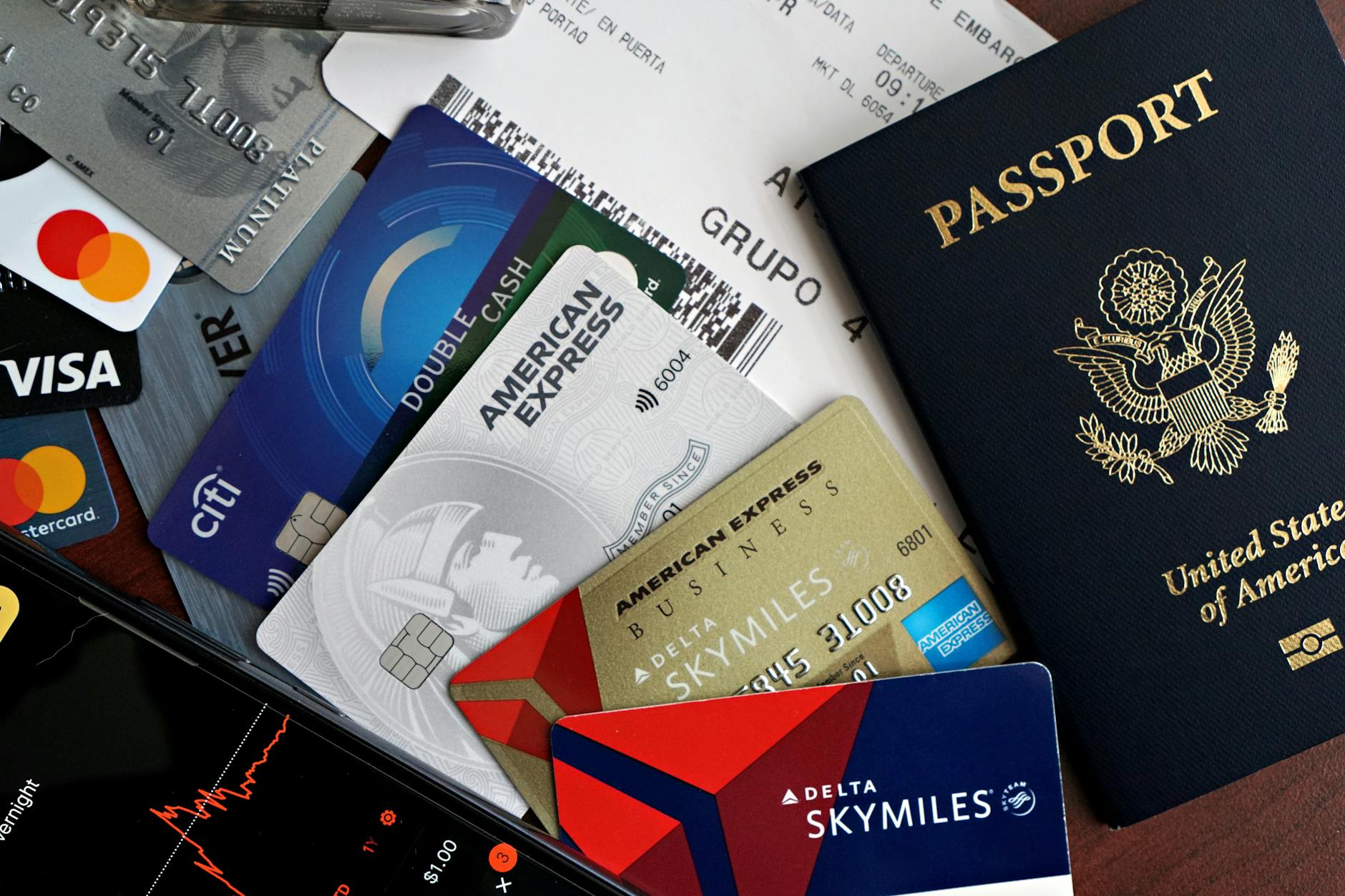
Citizens of most countries do not require advance visa applications for Saba. The island welcomes tourists from Europe, North America, and other regions. Your passport serves as your primary entry document.
You need a valid passport with at least six months validity remaining. This requirement applies to virtually all nationalities. Travelers from EU countries, the United States, Canada, and Australia arrive visa-free. Citizens from CARICOM member states also enjoy visa-free entry.
However, some nationalities may face restrictions. Travelers should verify their specific country status before booking flights. Contact the Sint Maarten airport or Netherlands consulate for confirmation. Your passport must be in excellent condition with clear pages.
Saba immigration does not issue visas upon arrival. Officials grant entry stamps directly in your passport. The entry stamp permits stays up to 90 days for most visitors. You cannot extend this period on the island itself.
The Dutch government controls Saba's entry policy. As part of the Kingdom of the Netherlands, Saba follows consistent standards. These standards match other Caribbean Netherlands islands. Your entry documents must satisfy the same requirements worldwide.
PRO TIP: Check your passport expiration date at least three months before travel. Many countries require six months validity beyond your return date. Renew your passport early if it expires soon.
Entry Documents You Need
Bring specific documents when you arrive at Juancho E. Yrausquin Airport. Your valid passport is absolutely essential. You cannot enter without it. Make copies of your passport's identification page and keep them separate.
Your return airline ticket proves your intention to leave. Officials may ask to see this document. Preserve your airline confirmation number for easy access. Digital copies work just as well as printed versions.
Proof of accommodation strengthens your entry chances. Bring hotel reservations or Airbnb booking confirmations. If staying with friends, prepare a letter from them. Include their name, address, and phone number in the letter.
Carry sufficient funds to support your stay. Officials may ask about your financial resources. Show credit cards, traveler's checks, or cash as evidence. Most visitors have no issues, but preparation helps.
A return flight itinerary demonstrates your departure plan. This document speeds up the immigration process. Store it digitally or print it before arrival. Airlines typically email this information automatically.
Your vaccination cards are not required for entry to Saba. The island has no current mandatory vaccination policies. However, travel insurance often requires proof of certain vaccinations. Check with your insurance provider before departure.
Bring your travel insurance policy documents. While not legally required, insurance proves responsible travel planning. Emergency medical evacuation to Sint Maarten costs significantly. Insurance covers these unexpected expenses.
Currency exchange is simple on Saba. The US dollar is the official currency. Bring US dollars or cards that process in dollars. ATMs exist on the island but carry limited cash just in case.
Customs Rules in Saba
Saba customs officials follow standard Caribbean protocols. You must declare all restricted items upon arrival. Declare items including plants, animals, and large quantities of food. Failure to declare results in confiscation or fines.
Prohibited items include illegal drugs in any quantity. Weapons and ammunition cannot enter the island. Certain fruits and vegetables from other countries face restrictions. These restrictions protect Saba's delicate ecosystem.
Bring prescription medications in their original containers. Include doctor's letters explaining medical necessity. Customs generally allows reasonable quantities of personal medications. Illegal drugs face severe penalties including imprisonment.
Alcohol and tobacco have import limits. You can bring one liter of spirits and 200 cigarettes duty-free. Exceeding these amounts triggers customs duties. These duties are quite expensive for excessive quantities.
Fresh produce cannot be imported into Saba. The island protects its agriculture from outside pests. Do not pack fresh fruits or vegetables in your luggage. Local farmers' markets sell everything you need.
Fishing equipment requires special permits. If you plan to fish, arrange permits before arrival. Contact Saba Marine Park in advance for details. Commercial fishing is strictly prohibited for tourists.
Customs officers inspect luggage randomly at the airport. Keep your luggage organized and accessible. Arrive early to allow time for potential inspections. Cooperate fully with official procedures.
PRO TIP: Take photos of valuable electronics before travel. Show these photos to customs if asked about the items. This prevents accusations that you purchased items in Saba.
Is Saba Safe To Visit
Saba ranks among the Caribbean's safest islands. The small population creates a tight-knit community. Violent crime against tourists is extremely rare. Theft does occur but much less frequently than other Caribbean destinations.
The island has police presence and good emergency services. Officers patrol regularly throughout the small communities. Response times are quick due to the island's compact size. You can walk most areas during daylight hours safely.
Exercise normal travel precautions as you would anywhere. Do not leave valuables unattended on beaches. Keep expensive cameras and phones secure. Lock rental cars and hotel rooms at night.
The main villages are The Bottom, Windwardside, and Hell's Gate. These towns are very safe for tourists and residents. Street lighting exists in populated areas. Avoid isolated trails after dark without local guides.
Natural hazards pose more risk than crime on Saba. The island sits in the Atlantic hurricane belt. Hurricane season runs June through November. December through May represents the safest weather period.
Hiking trails require proper footwear and preparation. The terrain is steep and rocky in many areas. Wear sturdy shoes with good grip. Bring plenty of water and tell someone your hiking plans.
Coastal waters have strong currents in some areas. Swimming in designated beaches is safer than remote spots. The island's diving sites are well-managed and professional. Saba Marine Park enforces strict conservation rules.
Health Requirements
Saba has no mandatory vaccination requirements for entry. However, certain vaccinations are recommended for Caribbean travel. Consult your doctor four to six weeks before departure. Your doctor reviews your health history and travel plans.
Hepatitis A vaccination is strongly advised for Saba. Yellow fever vaccination is recommended if visiting from endemic areas. Typhoid protection is another common recommendation. Tetanus and routine immunizations should be current.
Malaria does not exist on Saba. Dengue fever occasionally occurs but remains uncommon. Use insect repellent to prevent mosquito-borne illnesses. Apply repellent during dawn and dusk hours especially.
Medical facilities on Saba are limited but adequate. Queen Juliana Hospital in The Bottom provides emergency care. For serious medical emergencies, evacuation to Sint Maarten occurs. Travel insurance covering medical evacuation is highly recommended.
Pharmacies on Saba stock common medications and supplies. Bring prescription medications in original containers with labels. Consider bringing extra supplies since the island has limited stock. Refills may require consultation with a local doctor.
Tap water on Saba is safe to drink. The water supply is well-maintained and monitored. Many visitors drink tap water without problems. Bottled water is available if you prefer it.
Food safety standards are good on the island. Restaurants follow health codes and handle food properly. Eating fresh local fish and vegetables is generally safe. Practice normal food safety habits as you would at home.
Sun protection is essential on Saba. The tropical sun is intense year-round at 27°C average temperature. Use high SPF sunscreen and reapply frequently. Wear hats and sunglasses when spending time outdoors.
Mosquitoes are present but not overwhelming. Zika virus risk is minimal but some cases have occurred. Wear long sleeves during peak mosquito hours. Insect repellent with DEET provides effective protection.
PRO TIP: Purchase travel insurance that covers medical evacuation before arrival. Helicopter transport from Saba to Sint Maarten costs thousands of dollars. Insurance makes emergency medical situations manageable financially.
Travel Insurance for Saba
Travel insurance is not legally required to visit Saba. However, purchasing a policy is highly recommended for protection. Medical emergencies on small islands can be expensive and complicated.
Comprehensive travel insurance covers trip cancellation and delays. If you cancel your flight, the policy reimburses non-refundable bookings. Weather delays and airline strikes trigger coverage. These situations happen frequently in Caribbean travel.
Medical coverage is the most important insurance component. Saba's limited hospital facilities require evacuation for serious conditions. Helicopter evacuation to Sint Maarten costs $5,000 to $15,000. Standard travel insurance includes this evacuation cost.
Lost luggage coverage reimburses missing or delayed baggage. Airlines occasionally lose bags on Caribbean routes. Insurance provides emergency funds for essential purchases. This coverage protects your entire trip investment.
Diving insurance is essential if you plan underwater activities. Saba offers exceptional scuba diving year-round. Decompression sickness requires immediate treatment. Specialized diving insurance covers emergency recompression chamber use.
Adventure activity coverage protects hiking and water sports. Saba's steep terrain creates hiking risks. Water sports injuries need quick medical attention. Dedicated coverage ensures proper emergency response.
Travel insurance policies vary significantly in coverage and cost. Compare multiple providers before purchasing. Read policy details carefully to understand exclusions. Most policies cost between 5 and 10 percent of your trip cost.
Purchase insurance within 14 days of initial trip booking. This timing maximizes coverage for pre-existing conditions. Some policies offer annual coverage if you travel frequently. Annual policies provide better value for multiple trips.
Frequently Asked Questions
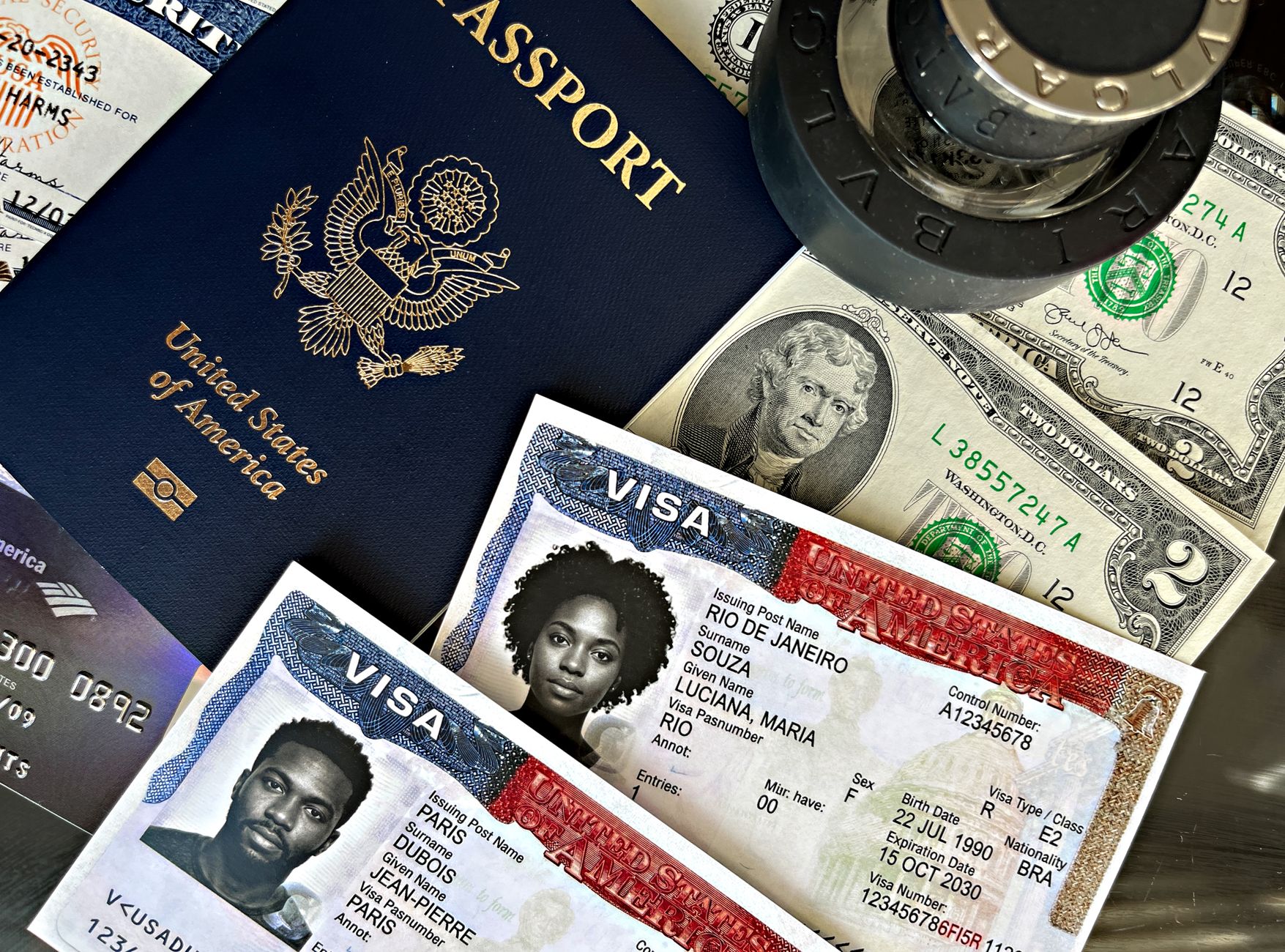
Do US Citizens Need a Visa To Visit Saba?
No, US citizens do not require a visa to enter Saba. American passport holders receive automatic visa-free entry upon arrival. You must present a valid passport with at least six months of remaining validity. The entry stamp in your passport permits stays up to 90 days. Keep your return airline ticket handy as proof of departure plans. No advance applications or processing is necessary.
How Long Can I Stay in Saba Without a Visa?
Immigration officials grant most visitors a 90-day entry stamp. This means you can stay for up to three months in Saba. The exact duration depends on officer discretion and your stated purpose. Tourism visits typically receive the full 90-day allowance. You cannot extend your stay on the island itself. If you need longer, you must leave and re-enter from another country.
What Documents Do I Need at the Airport in Saba?
Present your valid passport as your primary entry document. Bring your return airline ticket or flight confirmation. Pack proof of accommodation such as hotel reservations. Carry evidence of sufficient funds to support your stay. Have travel insurance documents readily available. Keep copies of important documents in a separate location. Digital copies stored on your phone work as backups.
Are Vaccinations Required To Enter Saba?
No mandatory vaccinations are currently required for Saba entry. However, your doctor typically recommends hepatitis A and typhoid vaccines. Yellow fever vaccination is suggested if arriving from endemic countries. Consult your physician four to six weeks before travel. Vaccinations protect you from tropical diseases, even if not required. Your travel insurance may require proof of certain vaccinations.
What Happens If I Stay Longer Than My Entry Stamp Allows?
Overstaying your entry period creates legal problems and fines. You face deportation and bans from future entry. Airlines will not allow you to board your return flight. Immigration officers conduct passport checks before flights. Fines for overstaying are substantial and non-negotiable. Plan your departure date carefully before arrival. Leave Saba before your entry period expires.