Last updated:
Understanding Saba's Transport Landscape
Saba is one of the Caribbean's smallest islands. It measures just 13 square kilometers. The island has only one main road that connects its villages. This single road makes Saba parking transport straightforward and simple. Most visitors find getting around is easier than expected.
The island's main settlements include The Bottom, Windwardside, and Hell's Gate. These villages sit on steep hillsides. The road winds up and down constantly. You will encounter many sharp curves and steep grades. Drivers should prepare for challenging terrain and narrow passages.
Saba has no traffic lights anywhere on the island. There are few road signs. The local population knows the roads well. They drive slowly and carefully. You should do the same. Reckless driving creates serious safety risks on these narrow roads.
Car Rental in Saba
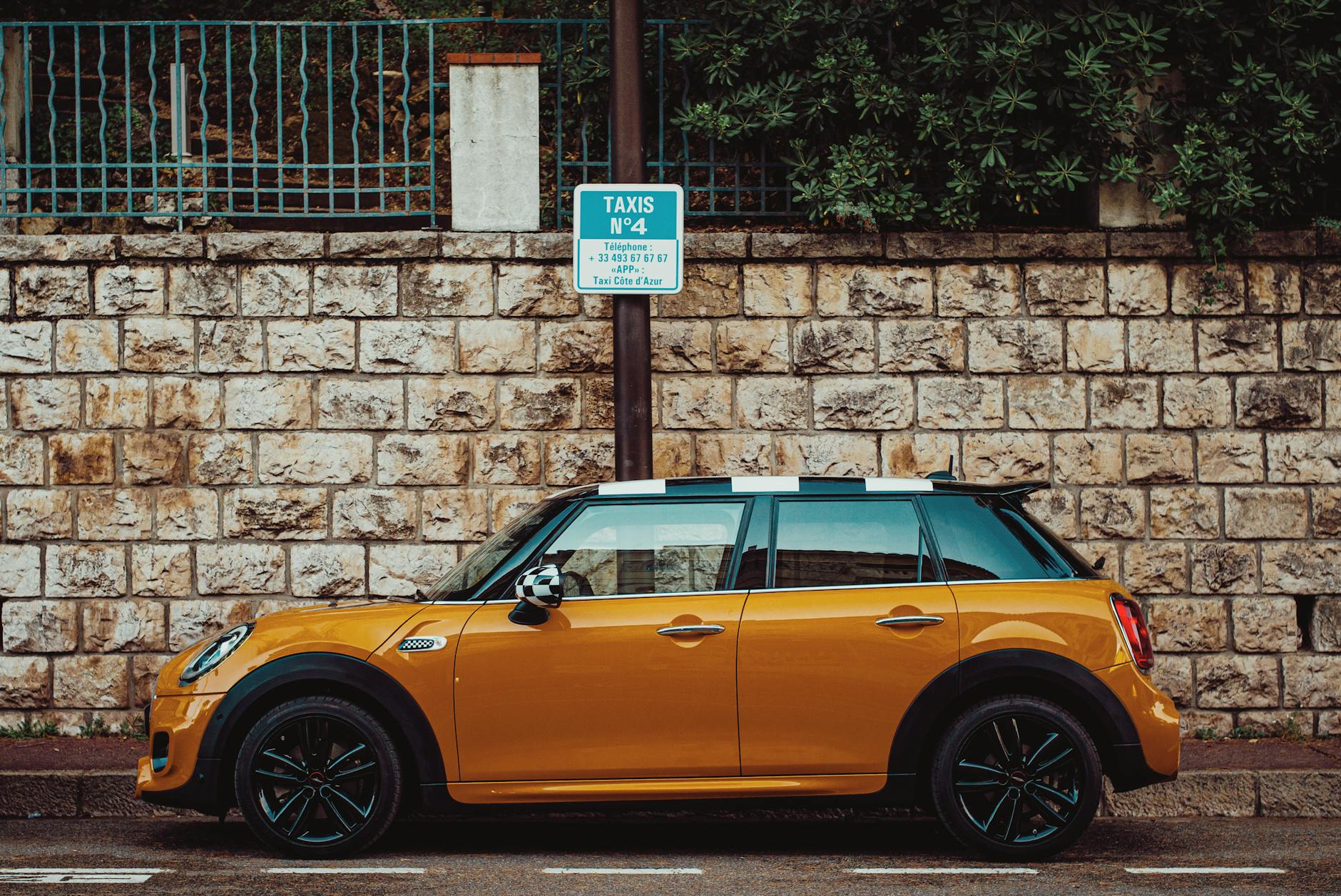
Car rental companies operate at Juancho E. Yrausquin Airport. The airport is small but receives regular flights. You can arrange rentals before arrival or upon landing. Most companies offer simple booking processes online or by phone.
Several rental agencies serve the island. They provide compact cars suited for narrow island roads. Smaller vehicles navigate tight curves and steep inclines better. Larger SUVs struggle on some sections. Book a compact or mid-size sedan for best results.
Rental rates vary by season and company. The busy season runs from December through May. Prices increase during these months. Reserve early if traveling during peak season. Off-season rates may offer better value.
You will need a valid driver's license from your home country. An international driving permit is helpful but not required. Your license must be in English or have an English translation. Check requirements before traveling.
Insurance is important when renting on Saba. The roads present real hazards. Collision damage waivers protect you financially. Ask about coverage details. Understand what you pay for damage. Some policies have high deductibles. Review options carefully before committing.
Fuel stations are limited. You will find one main fuel station near The Bottom. Keep your tank full when possible. Running out of fuel on remote sections is problematic. Gas prices are higher than mainland United States prices.
Parking exists but is limited throughout the island. The Bottom has some parking areas. Windwardside has minimal parking spaces. Many visitors park near food-restaurants or shops. Never block narrow roads. Leave space for other vehicles to pass.
PRO TIP: Rent a car for just one or two days if exploring locally. Many visitors walk between nearby villages instead. Walking offers better views and slower travel pace. This reduces parking stress and fuel costs.
Taxis in Saba
Taxis operate throughout Saba but are not metered. Drivers charge fixed rates for common routes. Negotiate fares before getting in the taxi. Most drivers are honest and fair. Ask locals for typical fares to your destination.
You can find taxis at the airport. They wait for incoming flights. Hotels and restaurants can arrange taxi service for guests. Phone calls to local taxi drivers work well. Most drivers respond quickly to requests.
Taxi drivers know every road and village. They navigate safely without maps or GPS devices. Experienced drivers anticipate the dangerous curves. They move slowly on steep sections. Safety is their priority.
Group taxis operate on fixed routes between villages. These shared vehicles pick up multiple passengers. They follow regular schedules, though not strictly timed. This option costs less than private taxi hire. Group taxis work well for budget travelers.
Drivers often provide information about the island. They point out landmarks and history. They answer questions about local culture. Some offer unofficial tour services. This adds value to your taxi ride.
Expect to pay more for longer journeys across the island. Short trips within one village cost much less. Nighttime rides may have higher rates. Weekend fares might increase. Always confirm the price beforehand.
Public Transport Options
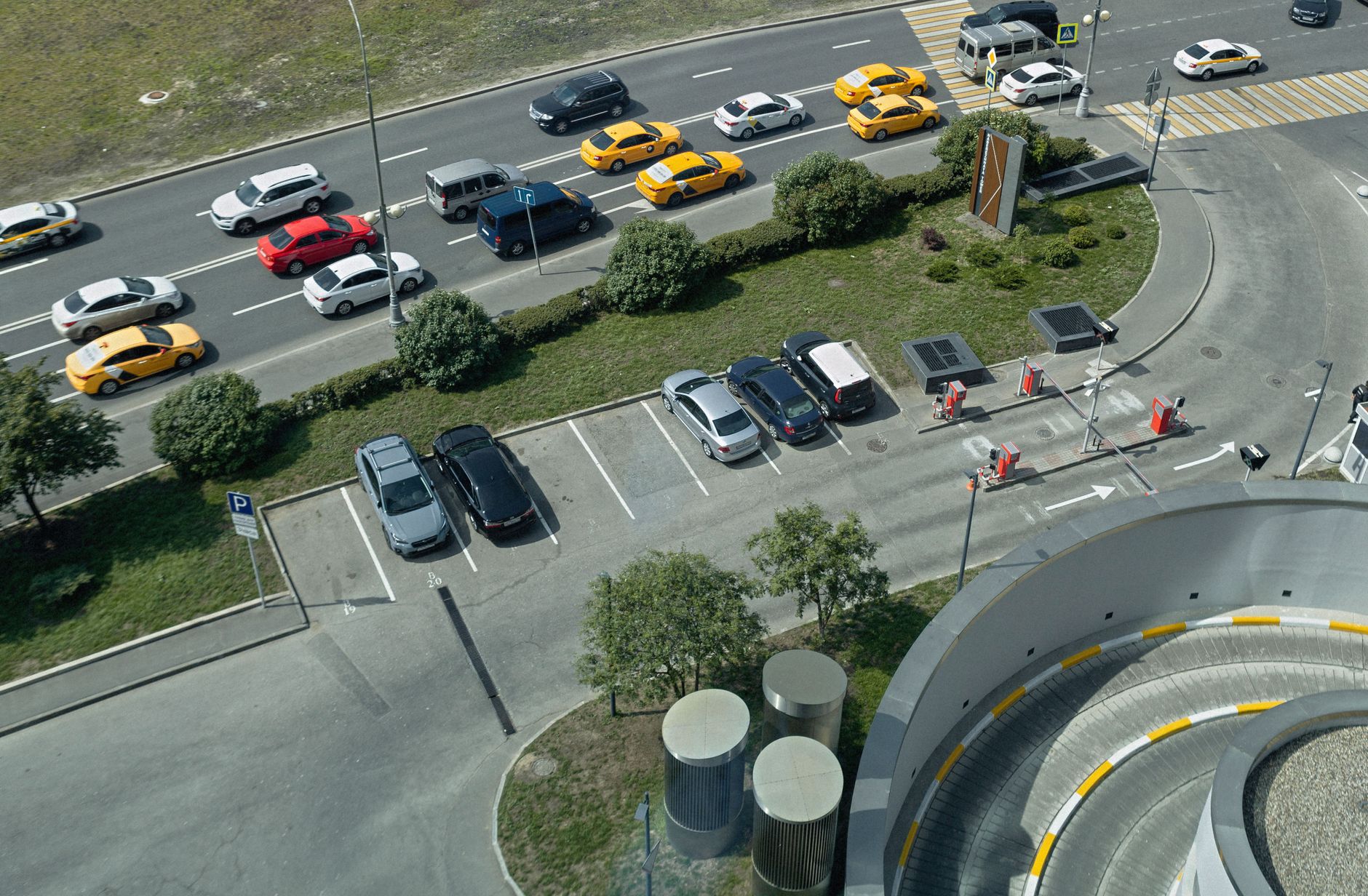
Saba has no traditional bus system with fixed schedules. Public transport is informal and flexible. The island relies on shared taxis and private arrangements. This system works well for small island populations.
Minibus service connects the main villages. These shared vehicles follow loose routes. Drivers pick up passengers along the way. You can flag down a minibus on the main road. Tell the driver your destination.
The main road running through the island serves as the primary transport corridor. Walking along this road lets you travel between villages. Local people walk sections regularly. The scenery is beautiful. You will pass through authentic neighborhoods.
Ferry service to other islands is available from Saba. The Saba Pride ferry operates regularly. It connects Saba to Sint Eustatius and Saint-Martin. Schedule varies by season. Check current schedules before planning island trips.
The Saba Marine Park operates a water taxi service for divers. Boats depart for dive sites throughout the day. These services require advance booking. Divers make up most of the water taxi users. The service is reliable and professional.
Getting To Juancho E. Yrausquin Airport
The airport sits near Flat Point on the island's eastern side. Taxis wait for all arriving flights. The ride to Windwardside takes about 10 minutes. The ride to The Bottom takes about 15 minutes. Airport transportation is straightforward and available.
PRO TIP: Arrange airport pickup with your hotel before arriving. This guarantees transportation and eliminates uncertainty. Most hotels offer this service. The cost is reasonable for the convenience.
Getting Around Saba on a Budget
Walking is the cheapest way to explore Saba. The island is only 13 square kilometers. You can walk between villages in reasonable time. The main road is walkable. Side paths connect different neighborhoods.
Group taxi rides cost far less than private hire. Share transportation with other travelers. Multiple passengers split the fare. This reduces individual costs significantly. Ask your hotel about group transport options.
Stay in one village and walk to nearby attractions. Windwardside is the most tourist-friendly location. Many restaurants and shops are within walking distance. The Bottom has its own charm and services. Hell's Gate offers peace and quiet. Pick one base and explore from there.
Hitchhiking is common and safe on Saba. Locals regularly pick up walkers. Offer to pay a small amount. Most drivers accept payment. This beats waiting for taxis. It is faster and cheaper.
Some accommodations offer complimentary transport to nearby attractions. Ask about this when booking. Guesthouses and small hotels often help guests. This saves money on multiple short trips.
Pack snacks and water before walking. Stores are scattered throughout the island. You may not find them when needed. Bring sun protection. The Caribbean sun is intense. Wear sunscreen and a hat.
Buy a local SIM card for your phone. You will need navigation and communication. Local networks provide reliable service. You can use GPS on your phone. This helps when exploring unfamiliar areas.
Driving in Saba: What To Know
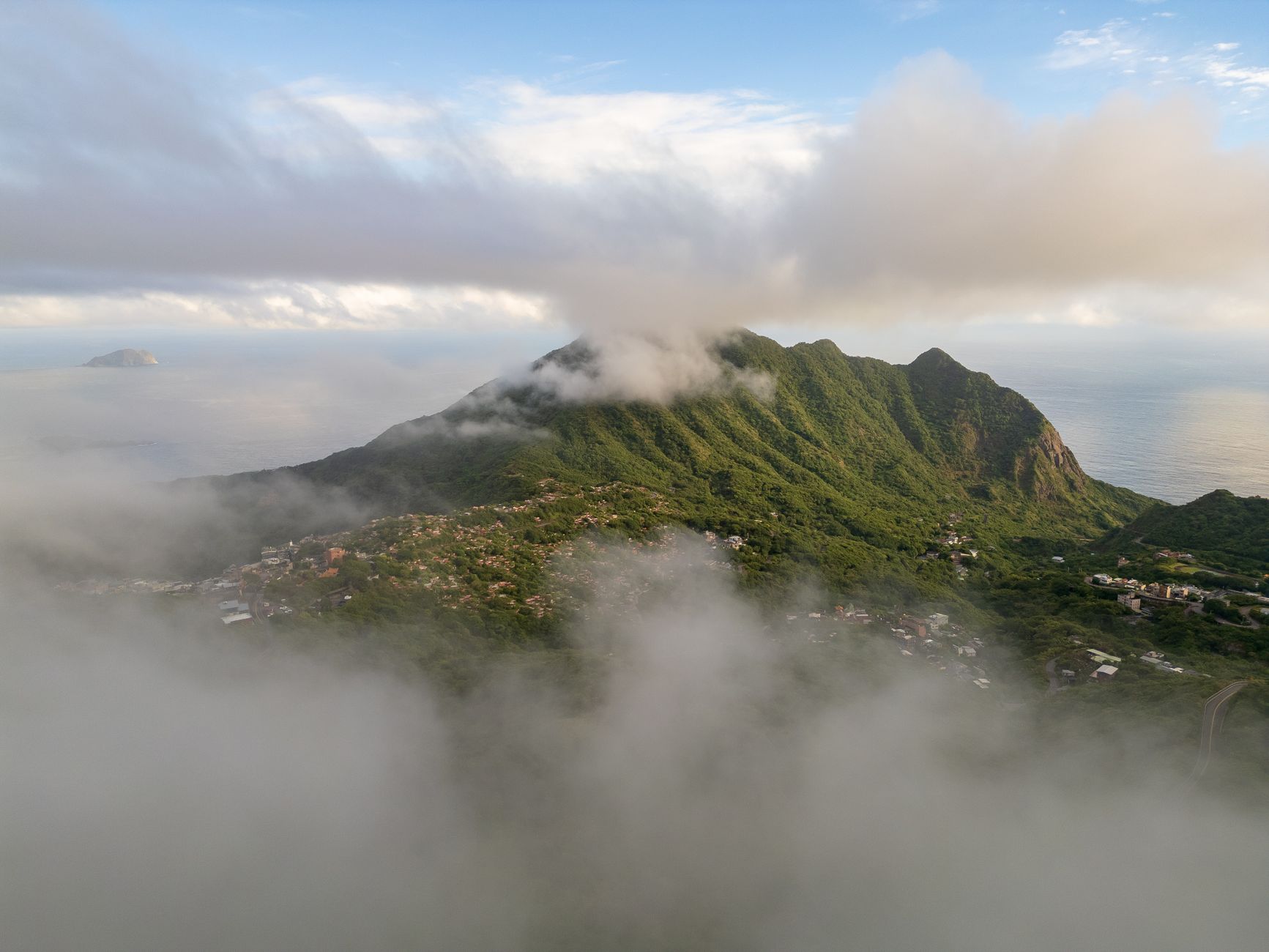
Saba's single main road is famous for its difficulty. It winds up mountains and down valleys. Drivers encounter sharp hairpin turns constantly. The road is narrow in many sections. Only one vehicle fits in tight areas. Drivers must pull over or reverse to allow passage.
The road was built in 1938 and later improved. It connects all three main villages. The road ends at Hell's Gate. Beyond that point, hiking trails continue. This is the only road for vehicle traffic.
Speed limits are low throughout the island. Expect limits of 20 to 40 kilometers per hour. These limits are enforced. Respect them carefully. Police conduct traffic stops. Fines are issued for violations.
Driving at night is challenging and risky. Street lights are minimal. Curves are difficult to see. Animals cross the road unexpectedly. Most locals avoid night driving. Only drive at night if absolutely necessary. Use headlights constantly.
The road becomes slippery during rain. Precipitation falls regularly in the Caribbean. Tires need good tread. Brakes should be excellent. Check vehicle condition before renting. Poor vehicle maintenance causes accidents.
Reversing is common on narrow sections. You may need to back up to let another vehicle pass. This is normal and expected. Do not feel embarrassed or rushed. Take your time. Safety matters most.
Parking on the road is prohibited everywhere. You must park in designated areas. The Bottom has parking near the port. Windwardside has limited parking near the main square. Use these official areas. Never block the road.
Fuel and Maintenance Services
One fuel station operates near The Bottom. It sells regular and diesel fuel. Prices are higher than mainland United States prices. The station has limited hours. Check before making the trip.
Vehicle maintenance services are very limited. No tire shops exist on the island. No transmission specialists operate here. Basic repairs are possible. Major repairs require sending vehicles away. Check your rental car's condition very carefully.
Rental companies provide emergency roadside assistance. Know the phone number before renting. Keep it stored in your phone. Call immediately if you have problems. Help will arrive but may take time.
Scooter and Bike Rental
Scooter and motorcycle rentals are available on Saba. Local companies offer two-wheeled transportation. This option appeals to adventurous travelers. Scooters are cheaper than car rentals.
The challenging roads make scooter riding difficult. Steep grades test engines and brakes. Sharp curves require skill and confidence. Loose gravel appears on some sections. Riders can lose traction easily. Only experienced riders should consider scooters.
Weather affects scooter safety significantly. Rain makes roads slippery and hazardous. Wind can push lightweight bikes off course. The Caribbean climate includes sudden storms. Be prepared for changing conditions.
Helmets are required by law on Saba. Rental companies provide them. Always wear your helmet. Safety gear is your best protection. Injuries from falls are serious.
Bicycle rentals also exist on the island. Mountain bikes handle the terrain better. Road bikes struggle on steep sections. Biking is slow but offers incredible views. You travel at walking pace through villages. This allows interaction with locals.
Cycling uphill requires strong fitness. The roads climb 870 meters from sea level. Even experienced cyclists find this challenging. Plan routes carefully. Bring plenty of water. Start early in the day. Heat becomes intense by afternoon.
Downhill cycling is fast and fun. Brakes get extremely hot on long descents. They may fail from overheating. Ride slowly to manage brake temperature. Stop frequently to cool brakes. Safety must come first always.
PRO TIP: Rent a scooter or bike for just a few hours. Try the main road and return to your hotel. This lets you test your comfort level. You can always switch to taxis or cars afterward.
Frequently Asked Questions

Is It Safe To Drive on Saba's Roads?
Yes, driving on Saba is safe if you drive carefully and slowly. The roads are narrow and winding but well-maintained. Locals navigate these roads daily. The key is respecting speed limits and road conditions. Avoid driving at night. Never drive recklessly or when tired. Expect to drive slowly and take your time on curves. Most accidents happen because drivers go too fast. Follow local drivers' example and you will be fine.
Do I Need an International Driving Permit for Saba?
An international driving permit is helpful but not required. Your valid driver's license from home is acceptable. Your license should be in English or have an English translation. Check with your car rental company about specific requirements. Some companies prefer international permits. Request clarification when booking your rental. Having both documents is safest. Your home country's automobile association can provide international permits.
What Are Typical Taxi Fares on Saba?
Taxi fares vary based on distance and route. Short trips within one village cost less than longer journeys. Fares from the airport to Windwardside are moderate. Fares to The Bottom are slightly higher. Always negotiate and confirm the price before entering a taxi. Ask your hotel what typical fares should be. This prevents overpaying. Group taxi rides cost significantly less than private service. Exact pricing varies by season and demand.
Where Can I Park on Saba?
Parking exists but is limited throughout the island. The Bottom has parking near the port area. Windwardside has limited spaces near the main square. Pop's Place restaurant area has some parking. Never park on the main road or block traffic. Always use designated parking areas. Ask locals or hotel staff where to park at your destination. Planning ahead prevents parking stress. Parking regulations are enforced by local police.
What Should I Do If My Car Breaks Down on Saba?
Contact your rental company immediately. They provide emergency roadside assistance for renters. Keep their phone number stored in your phone. They will help arrange repairs or a replacement vehicle. While waiting, stay safely off the road. Flag down passing vehicles for assistance if needed. Local drivers are helpful and will stop. Saba's small size means help arrives relatively quickly. Always follow your rental company's instructions. They handle breakdowns regularly and know solutions.