
Last updated:
Saba Best Time To Visit: an Overview
Saba is a tiny island in the Lesser Antilles with just 1,900 residents. This Dutch Caribbean gem offers dramatic cliffs, pristine reefs, and authentic island culture. Planning your visit requires understanding Saba's weather patterns and travel seasons.
The Saba best time to visit depends on your priorities and interests. December through May brings the driest weather and calmest seas. These months attract most tourists seeking sunshine and water activities. June through November features higher rainfall and hurricane risk. However, shoulder months offer fewer crowds and better prices.
Saba's small size means you'll never feel crowded here. The island measures just 13 square kilometers. You can explore the entire island in a few days. Most visitors stay 3 to 5 days to experience Saba fully. The island has no cruise ships, preserving its peaceful atmosphere.
Consider your budget, preferred activities, and tolerance for rain. Hurricane season adds some risk from August through October. The winter months bring peak crowds and higher prices. Shoulder seasons offer the best balance for most travelers.
Saba Weather by Month
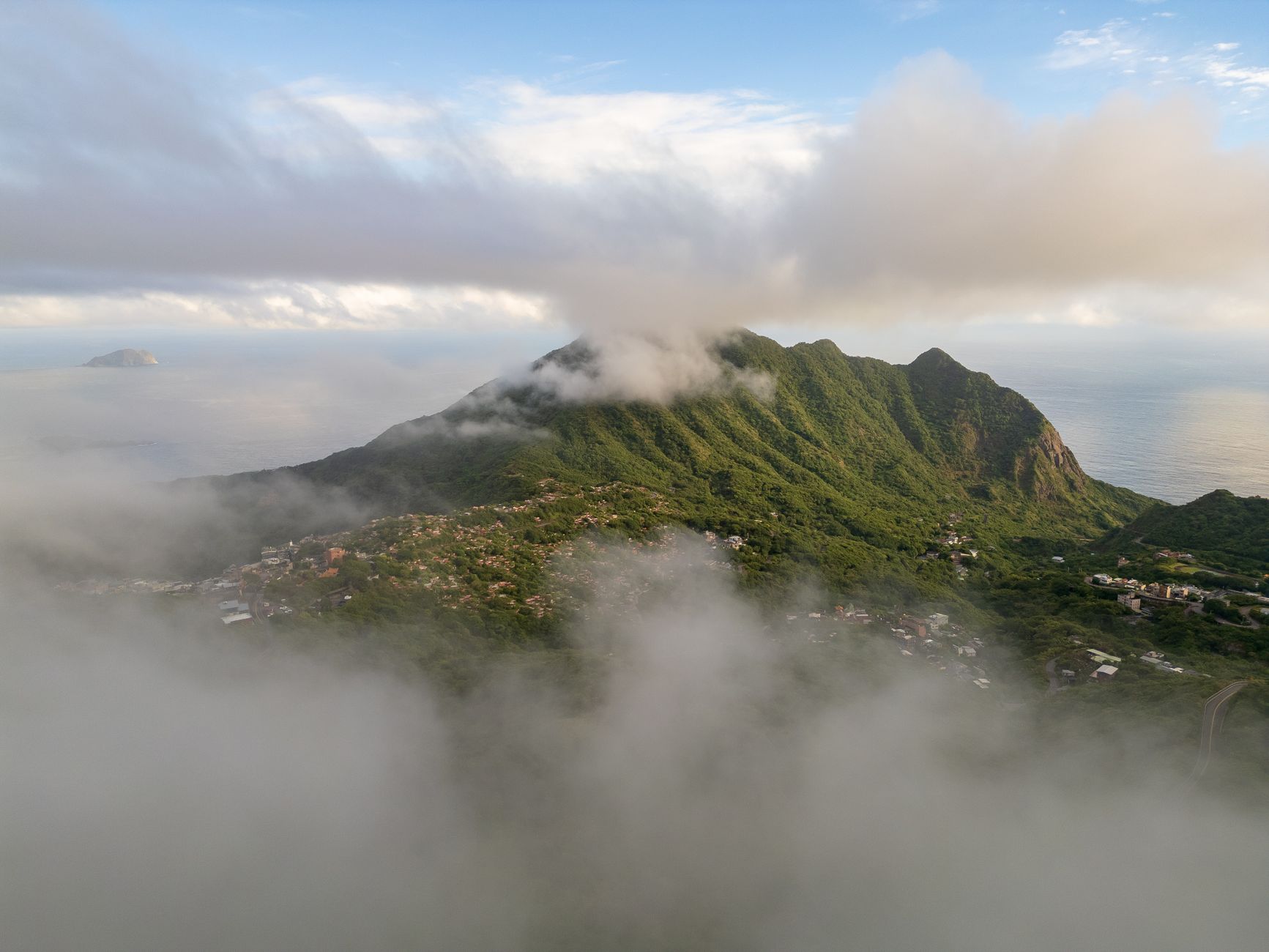
December to February: These are the driest months on Saba. Expect sunny days and minimal rainfall. Temperatures hover around 27°C (81°F). Trade winds keep the island breezy and comfortable. Seas are calmest during this period. This is peak tourist season on Saba.
March and April: Weather remains dry and pleasant through these spring months. Temperatures stay consistent around 27°C. Rainfall increases slightly compared to earlier months. Water conditions remain excellent for diving. Fewer tourists visit during these months than in winter.
May: May marks the transition into warmer weather. Temperatures begin climbing toward 28°C. Humidity increases noticeably. Brief afternoon showers become more common. Seas can get rougher as weather patterns shift. This is still considered part of the dry season.
June to August: The rainy season officially begins in June. Expect afternoon thunderstorms several days per week. Humidity becomes quite high. Temperatures reach their annual peak around 28 to 29°C. These months see fewer tourists. Hurricane season officially starts in June but direct hits are rare.
September and October: These are the wettest and hottest months. Rain falls frequently throughout the day. Hurricane season peaks during this period. The island experiences the highest humidity of the year. Very few tourists visit Saba during these months. Many small businesses close temporarily.
November: Rainfall decreases as the dry season approaches. Temperatures begin cooling slightly. Humidity drops from peak levels. This shoulder month offers good value for budget travelers. Weather improves steadily through the month.
PRO TIP: Pack layers regardless of travel dates. Saba's elevation means mountain areas feel cooler than coastal zones. Afternoon showers are common even in dry months, so bring a light rain jacket.
Peak Season in Saba
Peak Season Dates: December through April marks Saba's high season. These months offer the most consistent weather. You'll encounter the most tourists during this period. Hotels and dive shops operate at full capacity. Prices reach their highest levels of the year.
Weather During Peak Season: Expect sunny, dry days throughout these months. Morning temperatures start around 24°C (75°F). Afternoons warm to 27 to 28°C (81 to 82°F). Trade winds provide natural cooling. Rainfall remains minimal, typically just a few inches monthly. Seas are calm and visibility underwater exceeds 30 meters.
What to Expect: The island's few food-restaurants and shops operate extended hours. Tour operators offer daily excursions to popular sites. You'll see other tourists at popular diving spots and trails. The Pop's Place bar and restaurant, a local favorite, stays busy. The Saba Marine Park welcomes divers daily with perfect conditions.
Booking Accommodations: Reserve lodging at least 2 to 3 months in advance. Guesthouses and small hotels fill up quickly. Mid-range accommodations become scarce. Rates increase 20 to 40 percent above shoulder season prices. Last-minute bookings often fail during peak months.
Activities and Events: Saba remains quiet even during peak season. The island hosts no major festivals or events. You won't find loud nightlife or crowded beaches. The charm lies in peaceful exploration and intimate experiences. Most visitors appreciate this tranquility.
Who Should Visit: Families enjoy the reliable weather and calm seas. Parents can confidently plan beach days and water activities. Children adapt well to the small island scale. Schools often schedule spring breaks during March and April. Business travelers find peak season ideal for a reliable weather experience.
PRO TIP: Book your diving certifications before arriving if you're a beginner. Saba Divers offers excellent courses, but spots fill quickly in peak season. Certified divers should reserve popular dive sites in advance.
Shoulder Season: Best Value

May and November: These shoulder months offer excellent value for travelers. Prices drop 15 to 25 percent below peak season rates. You'll encounter fewer tourists while weather remains generally pleasant. May transitions into the rainy season. November transitions out of it. Both months are underrated for savvy travelers.
May Weather: May brings occasional afternoon showers and higher humidity. Mornings typically stay dry and sunny. Temperatures climb to 28°C (82°F). Water conditions remain good for diving until late May. Seaweed arrives in late May on some beaches. Wind patterns shift slightly, affecting sea conditions.
November Weather: November features decreasing rainfall as the dry season approaches. Temperatures are warm but not oppressive. Humidity drops noticeably through the month. Seas gradually calm from early to late November. Weather improves daily as the month progresses.
Accommodation Benefits: Guesthouses become available with more booking flexibility. Hotel staff have more time for personalized service. You may negotiate longer-stay discounts. Smaller properties sometimes offer room upgrades. Last-minute bookings often succeed during shoulder season.
Diving Conditions: May offers warm water and good visibility despite occasional showers. November provides perfect conditions with calm seas and clear skies. Both months allow comfortable diving. Fewer divers share the popular sites. Saba Divers operates normally with shorter wait times.
Island Atmosphere: You'll experience Saba as locals do. Restaurants serve primarily island residents. Conversations with locals happen more naturally. The island feels authentic and less touristy. You'll have better access to local guides and authentic experiences.
Rainy Season in Saba
June Through October: The rainy season officially runs from June through October. Rainfall increases significantly compared to dry season months. Afternoon thunderstorms occur almost daily. September and October see the heaviest precipitation. Some days see continuous rain rather than brief showers. Temperatures remain warm, typically 28 to 29°C (82 to 84°F).
What Rain Looks Like: Rain on Saba arrives in intense but brief bursts. Morning conditions are often clear. Afternoon showers develop between 2 PM and 4 PM. Evenings clear up frequently. Mornings between 6 AM and 11 AM provide good window for outdoor activities. Bring waterproof gear and plan indoor activities for afternoons.
Humidity and Comfort: Humidity reaches uncomfortable levels during rainy season. Moisture clings to clothing and skin. Air conditioning becomes essential for sleeping. Fans run constantly at accommodations. Fungal issues can affect shoes and fabrics. Pack moisture-absorbing products and quick-dry clothing.
Hurricane Considerations: Atlantic hurricane season runs from June through November. Saba rarely experiences direct hurricane hits. The island sits south of typical hurricane paths. However, tropical storms can bring heavy rain and rough seas. September and October carry the highest risk. Travel insurance becomes important during these months.
Advantages of Rainy Season: Prices drop substantially, often 30 to 50 percent below peak season. Hotels offer attractive deals for multi-night stays. You'll have beaches and trails almost entirely to yourself. The landscape turns lush and green from constant moisture. Waterfalls flow dramatically after heavy rains.
Activities During Rainy Season: Hiking becomes challenging but possible between showers. The Saba Museum provides indoor exploration. Pop's Place and other restaurants offer cozy shelter. Diving remains possible on clear-weather days. Underwater visibility is slightly reduced. Advance dive bookings help secure good-weather dives.
When to Avoid: September and October represent the absolute least favorable months. Schools close, businesses shut down temporarily. Infrastructure operates at minimal levels. Only experienced travelers should visit these months. Weather unpredictability peaks during this period.
PRO TIP: Visit rainy season if you're a skilled photographer. Storm clouds create dramatic lighting for landscape shots. Waterfalls transform into spectacular features. Local residents are more accessible and willing to chat.
Best Time To Visit Saba for Families

Ideal Family Months: December through April provides the best family experience. Children enjoy consistent sunny weather. Beach time becomes reliable and frequent. Water activities feel safe with calm seas. Schools typically schedule breaks during these months. Family-friendly diving and snorkeling work well.
March and April Advantages: Spring months attract fewer tourists than winter. Your kids won't feel overwhelmed by crowds. March and April offer slightly better value than December-February. Weather remains nearly perfect. Schools worldwide schedule spring breaks during this window. Both months balance good weather with manageable tourism.
What Families Should Know: Saba has no traditional beaches with white sand. The Pop's Place beach provides safe swimming. Ladder Bay offers scenic coastal views. Kids adjust quickly to small-island life. There are no theme parks or large attractions. Family entertainment focuses on nature and simplicity.
Child-Friendly Activities: Snorkeling suits children from age 5 and up. Saba Marine Park has kid-appropriate reefs. Short hiking trails work for families with young kids. The Saba Museum interests older children. Bird watching engages nature-loving kids. Exploring small villages feels safe for independent children.
Practical Family Considerations: Book accommodations with kitchens if traveling with toddlers. Grocery options are limited, so plan meals carefully. Medical facilities are basic, suitable for minor issues only. Serious medical needs require evacuation to nearby islands. Travel insurance becomes critical for families. Pack medications and supplies for common illnesses.
School Holiday Alignment: Winter holidays work well for family visits. Spring break falls during ideal weather months. Summer vacation coincides with rainy season, making it less appealing. Christmas and New Year's fall during peak pricing. Consider alternate break periods for better value.
Avoid These Months: Skip June through October with children. Rainy season means limited outdoor activities. Hurricane season carries weather uncertainty. Heat and humidity create discomfort. Many facilities operate reduced hours. September and October are especially problematic for families.
Best Time To Visit Saba for Diving
Peak Diving Season: December through April offers optimal diving conditions. Water temperature stays warm at 26 to 28°C (79 to 82°F). Visibility regularly exceeds 30 meters. Seas remain calm, making boat access safe. The Saba Marine Park operates at full capacity. All dive sites become accessible.
February and March Excellence: February ranks as the absolute best diving month. Water clarity peaks during this period. Calm conditions allow access to all 28 dive sites. Pelagic fish arrive during this month. Saba Divers offers daily boat dives and shore entries. These months fill up quickly with dive tourists.
Shoulder Season Diving: May and November provide excellent diving with fewer divers present. Water conditions in May stay good until late month. November offers increasingly perfect conditions. Visibility exceeds 25 meters in both months. Fewer crowded dive sites mean more intimate experiences. Prices drop compared to peak season.
Saba's Dive Sites: The island boasts exceptional underwater terrain. Diamond Rock features steep walls and pelagic encounters. Ladder Labyrinth offers complex reef formations. The Saba Bank shelves dramatically from shallow to deep. All sites feature pristine coral and abundant fish life. World-class diving exists despite the small island size.
Marine Life: Saba waters host large reef fish and pelagic species. Jacks, groupers, and snappers are common. Sea turtles appear regularly in shallow zones. Nurse sharks and reef sharks inhabit deeper areas. Rays glide across sandy bottoms. The marine park protects these ecosystems strictly.
Avoid for Diving: September and October produce rough seas and poor visibility. Afternoon thunderstorms limit boat availability. Rain reduces visibility significantly. Saba Divers reduces operations during these months. Hurricane season creates scheduling uncertainty. Underwater photography becomes difficult.
Dive Operator Information: Saba Divers operates from Fort Bay. They offer both boat and shore dives. Certification courses run throughout the year. Small group sizes ensure personalized attention. Dive masters know the sites intimately. Equipment rental is available. Advanced reservations are essential during peak season.
Water Temperature Year-Round: Water stays comfortable even during "cool" months. Winter lows reach 25°C (77°F). Summer highs reach 29°C (84°F). A thin 3mm wetsuit works year-round. Most divers wear no wetsuit from March through October. Night diving is possible in all months.
PRO TIP: Arrive a day early to acclimate to island time before your first dive. Get a descent to the bottom on your first dive to clear your ears properly. Saba's depth variety suits all diver levels from shallow reefs to 40-meter walls.
Frequently Asked Questions

When Is the Absolute Best Time To Visit Saba?
February and March represent the single best months for most visitors. Weather is perfectly dry with sunny skies. Water visibility peaks for divers. Temperatures feel comfortable without extreme heat. Seas remain calm for boats and water activities. The only downside is peak pricing and larger crowds. However, crowds on Saba never feel overwhelming since the island is so small and receives limited tourists annually.
Is Saba Safe To Visit During Hurricane Season?
Saba rarely experiences direct hurricane hits due to its southern location in the Lesser Antilles. The island sits below the typical hurricane path. Tropical storms can bring heavy rain and rough seas, particularly from September through October. Travel insurance is recommended during these months. Most major storms affect other Caribbean islands more severely than Saba. The island's solid construction and small population mean minimal hurricane-related infrastructure issues.
Can I Visit Saba During the Rainy Season on a Budget?
Yes, the rainy season from June through August offers 30 to 50 percent price reductions. Hotels provide excellent deals for extended stays. Afternoon rain showers don't prevent all activities. Mornings typically remain clear and dry. The landscape looks lush and beautiful. Fewer tourists mean authentic experiences and local interactions. Pack waterproof gear and remain flexible with your daily schedule. Diving and snorkeling are still possible on favorable weather days.
What Should I Pack for Visiting During Shoulder Season?
Pack lightweight, breathable clothing for warm temperatures. Include a compact rain jacket or poncho for afternoon showers. Bring quick-dry pants and shirts that work when wet. Pack moisture-wicking undergarments. Include reef-safe sunscreen and sun protection. Bring waterproof bags for electronics. Include both casual clothing and modest attire for dining at local restaurants. Comfortable walking shoes work best on Saba's hilly terrain. Pack layers as higher elevations feel noticeably cooler than coastal areas.
Is May or November Better for a Value-Conscious Diving Trip?
November edges out May for diving quality and value combined. Weather improves dramatically through November as you approach the dry season. Water remains warm at 26°C (79°F). Visibility consistently exceeds 25 meters. Seas gradually calm through the month. Hotel prices stay reduced while conditions improve daily. May offers good diving but transitional weather and occasional afternoon storms. November provides the best balance of excellent conditions and budget-friendly pricing for divers seeking the most value.